Waste before disposal
Avoid unnecessary single-use items, prepare meals to confirmed guest numbers and separate reusable, recyclable and suitable organic materials in daily operations.
BEGAN IN 2018 · TRAM CHIM SINCE 2019 · GROWING WITH NATURE
Việt Mekong Farmstay was not designed as a resort placed on top of the landscape. It grew through trial, relocation and six years of learning how a small tourism business can support local livelihoods while giving more space back to wetland life.
01 · Our beginnings
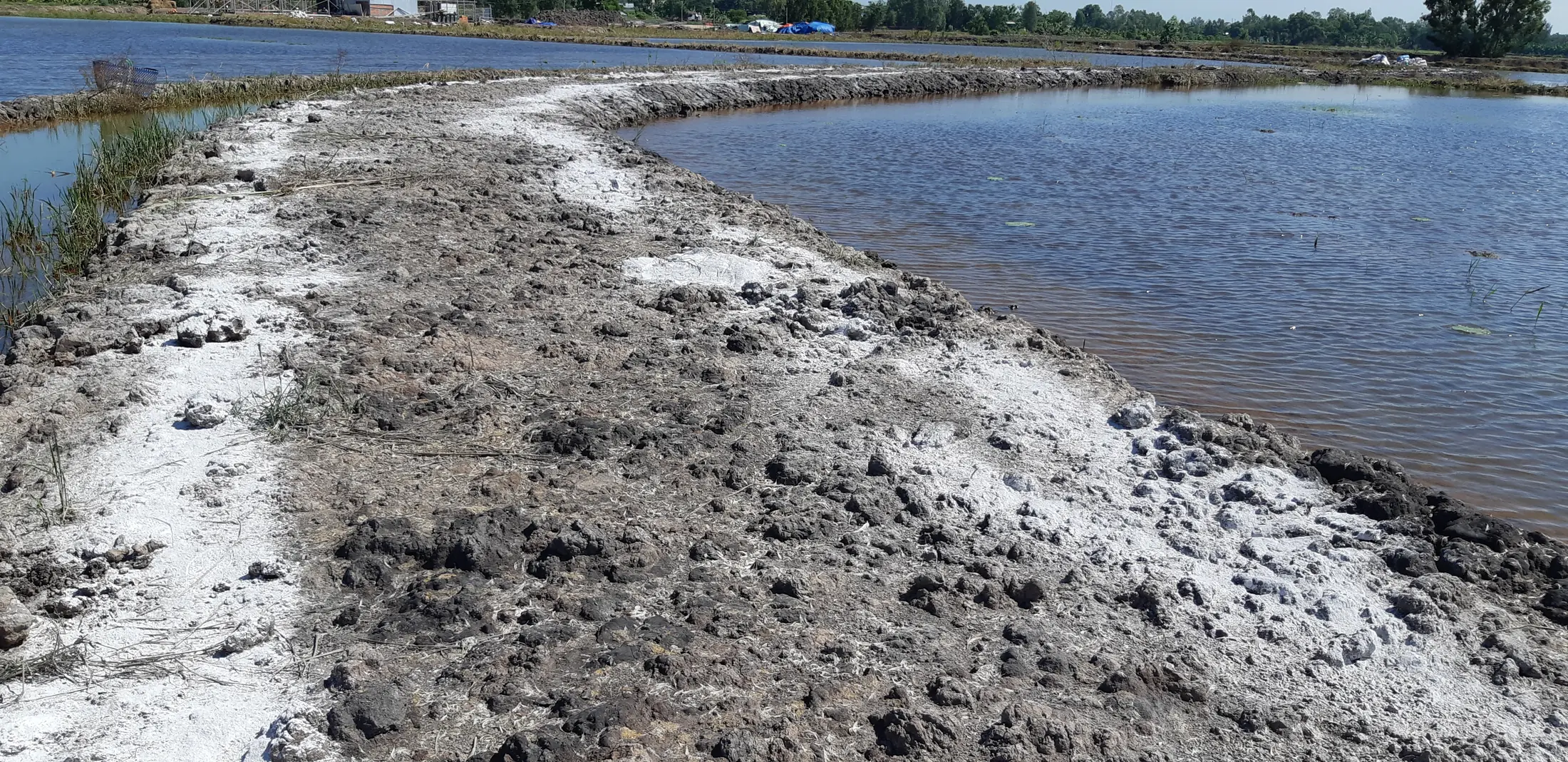
The project began in Hong Ngu in 2018 as Nông trại Tâm Việt. In August 2019, the team moved to Tram Chim, closer to the wetland ecology and cultural landscape that the project wanted guests to understand. Việt Mekong Farmstay began welcoming guests at its present location in June 2020.
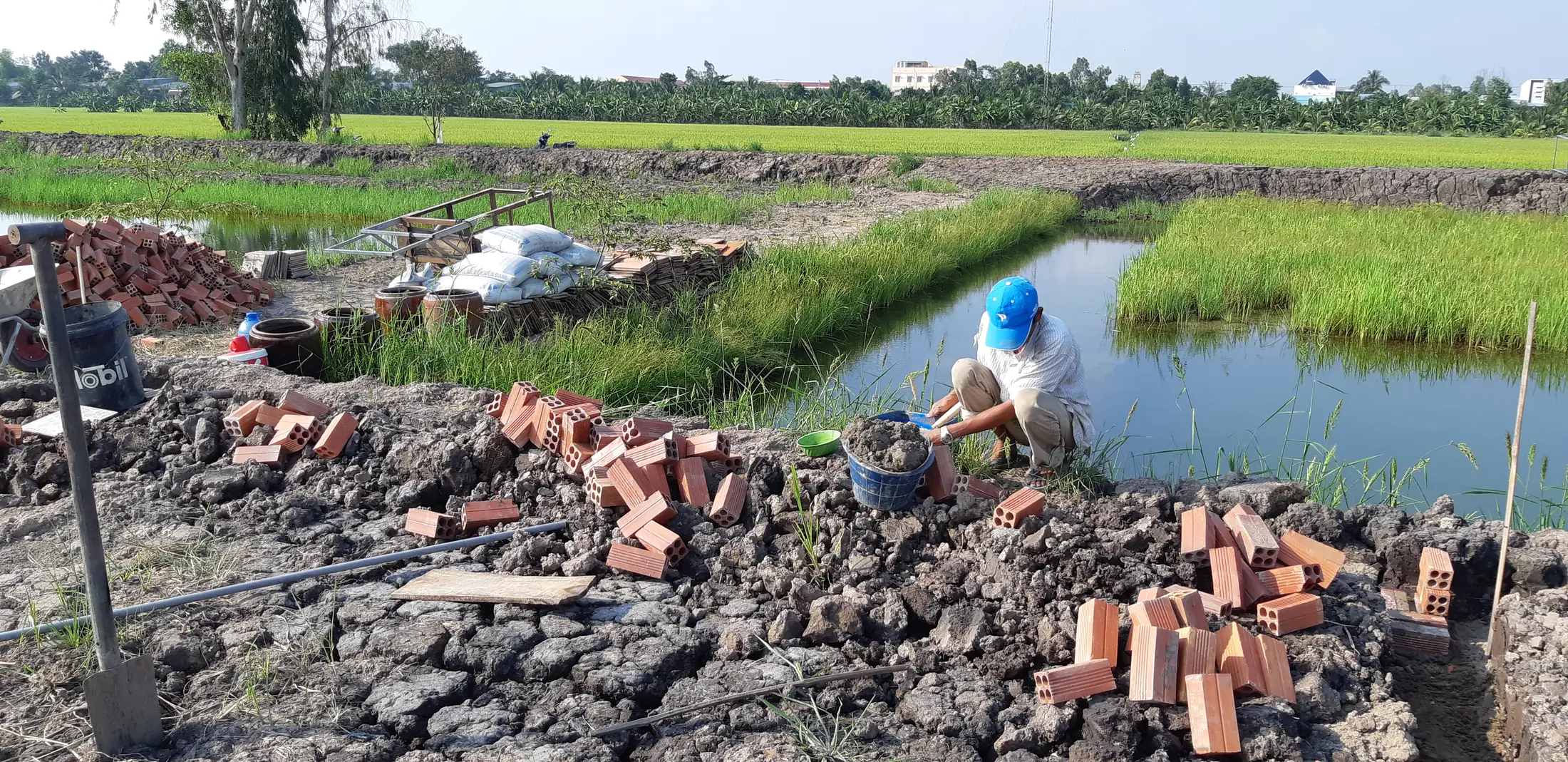
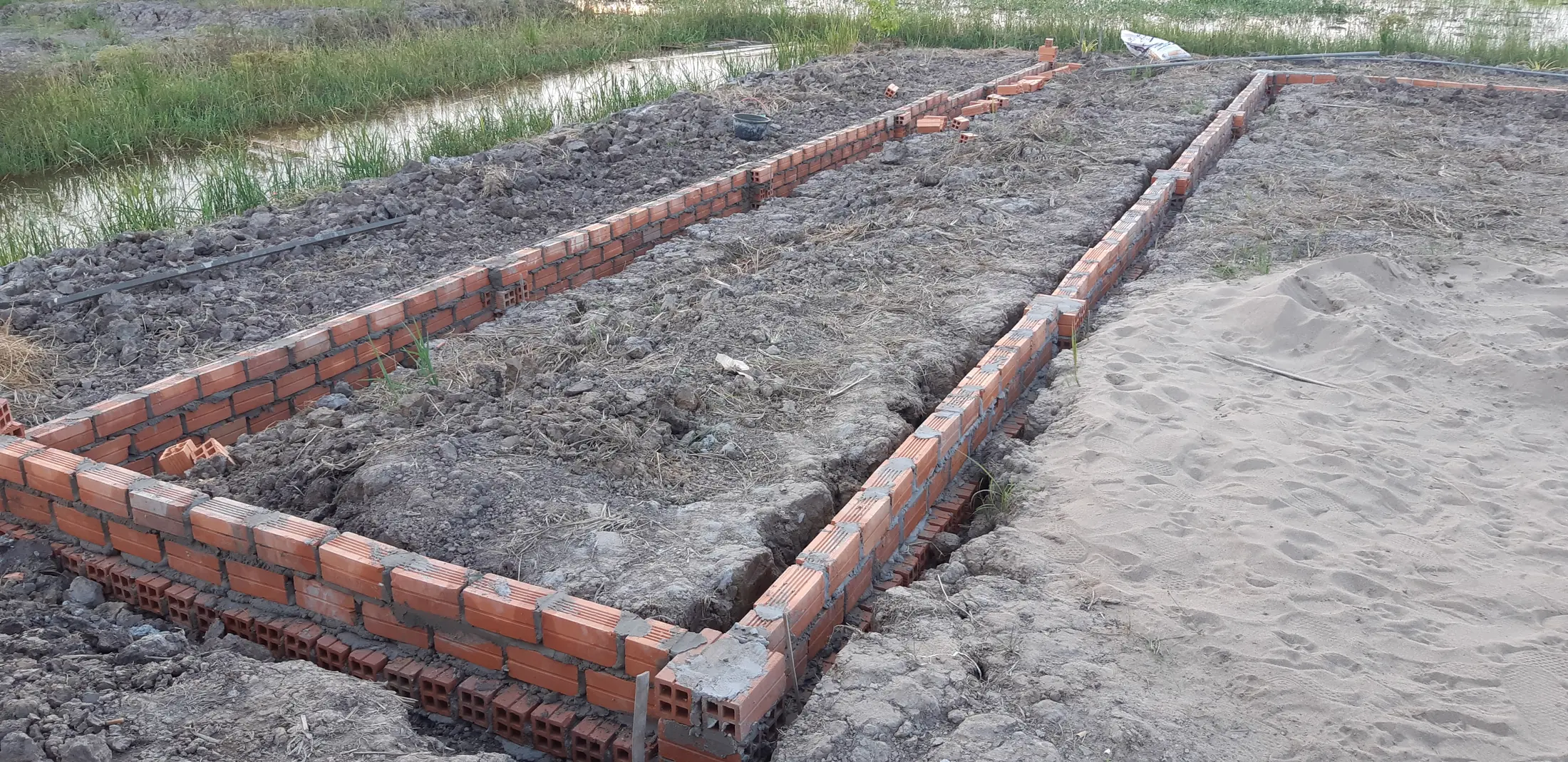
The first years were practical and uncertain: preparing paths and simple accommodation, learning the behaviour of acidic soil and seasonal water, building relationships with farmers, and discovering what international guests genuinely valued. The farmstay’s present identity grew from that work rather than from a ready-made resort formula.
02 · A different economic choice
VMF’s working land-use direction keeps tourism infrastructure deliberately limited, combines it with nature-led agriculture and reserves the largest share of the site for habitat and ecological buffering. This creates a slower commercial model: fewer guests at one time, longer stays, seasonal meals and experiences that must be confirmed rather than mass-produced.
Economically, the aim is not to sell the greatest number of room nights at the lowest price. It is to create higher-value stays in which accommodation, food, local knowledge, farm experience and carefully chosen journeys support one another.
03 · Six years of habitat care
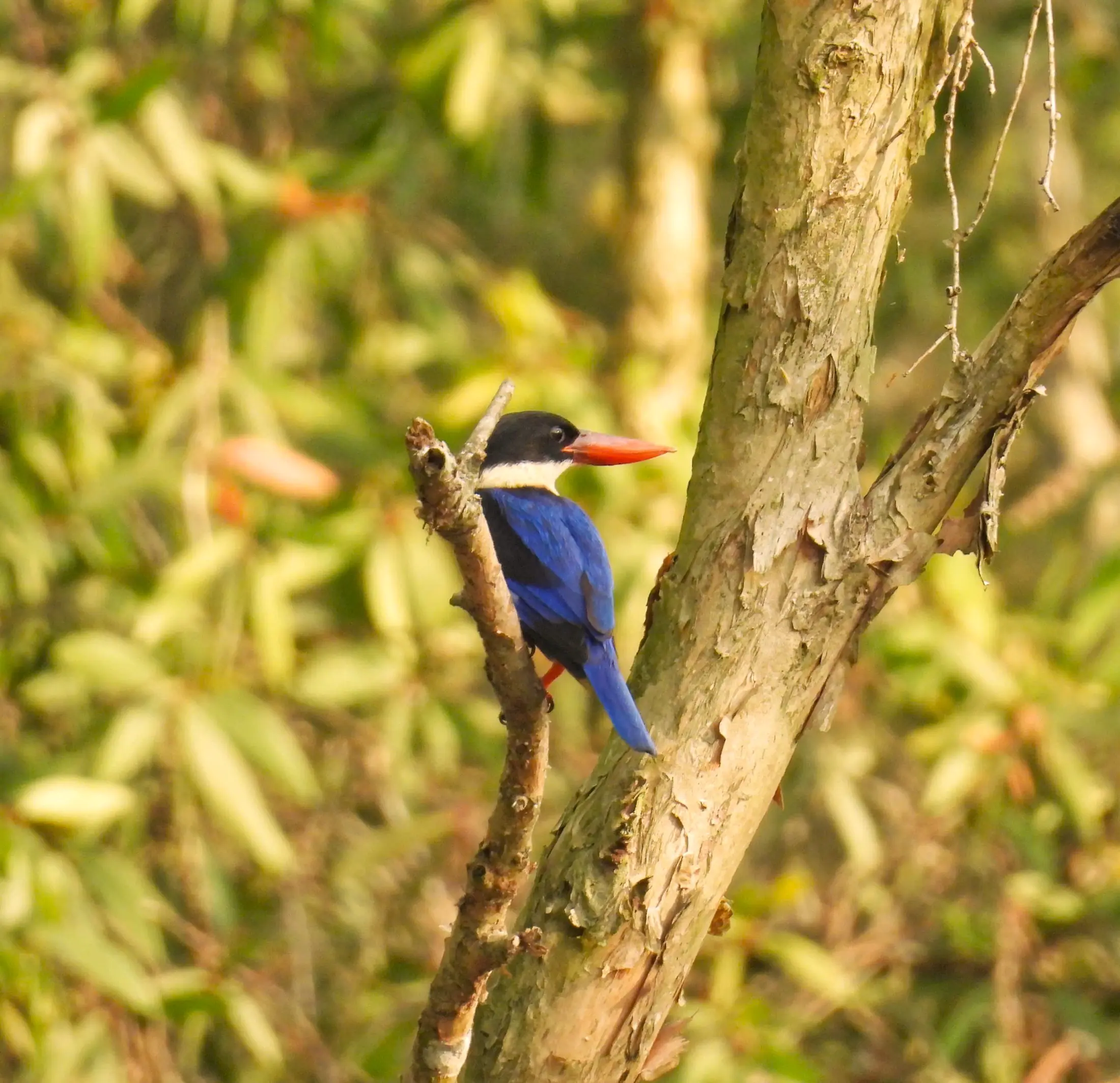
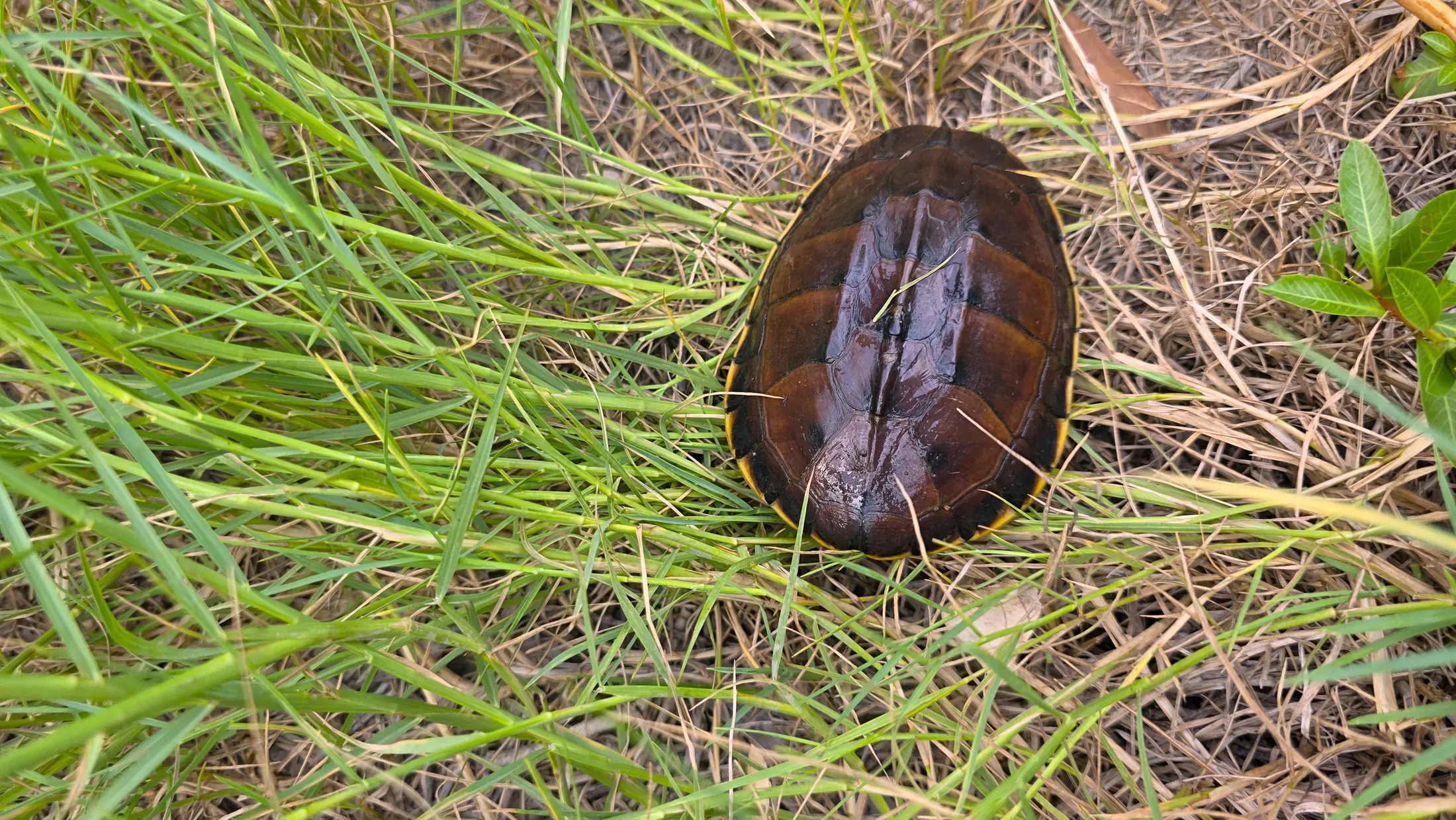
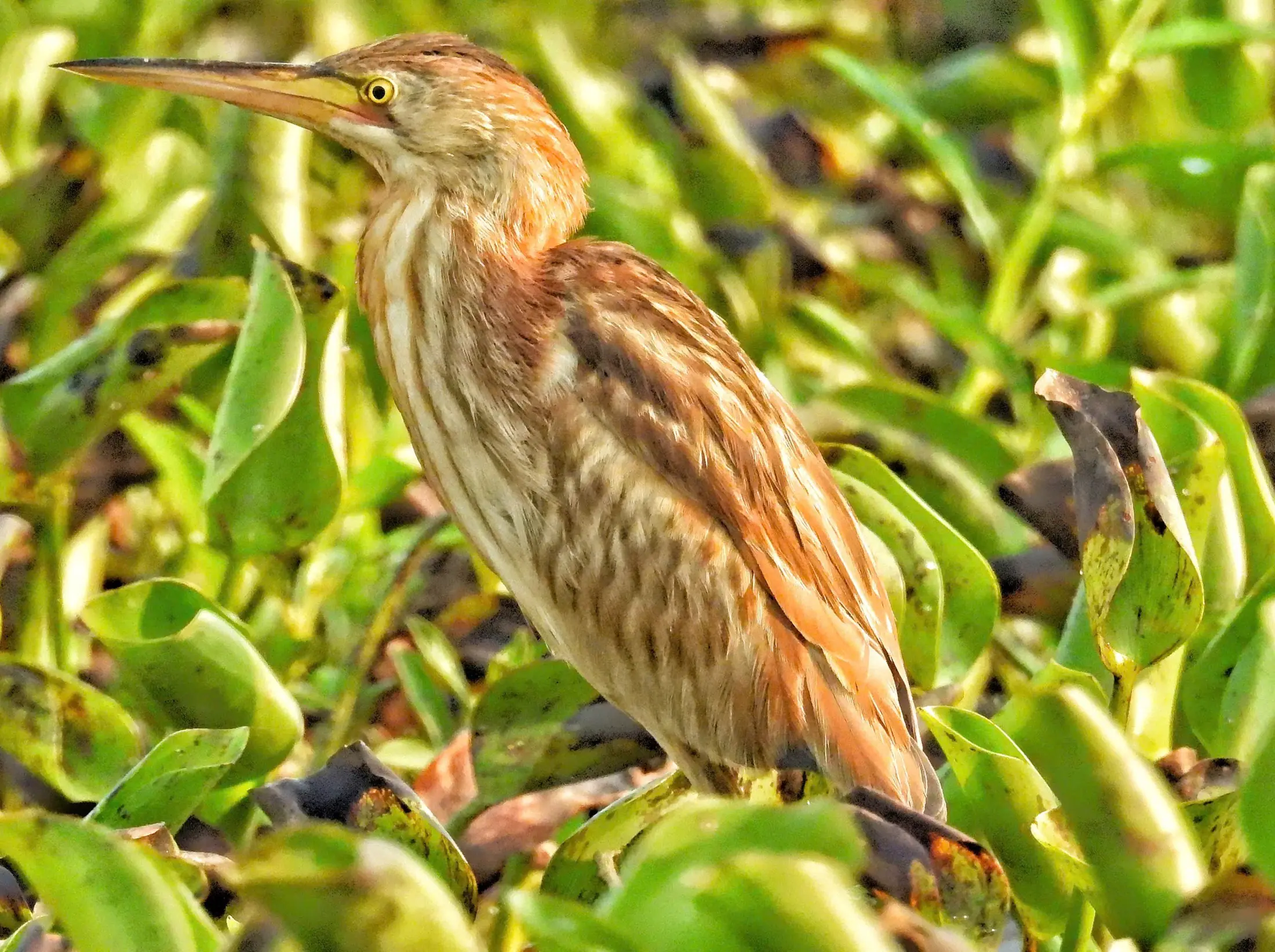
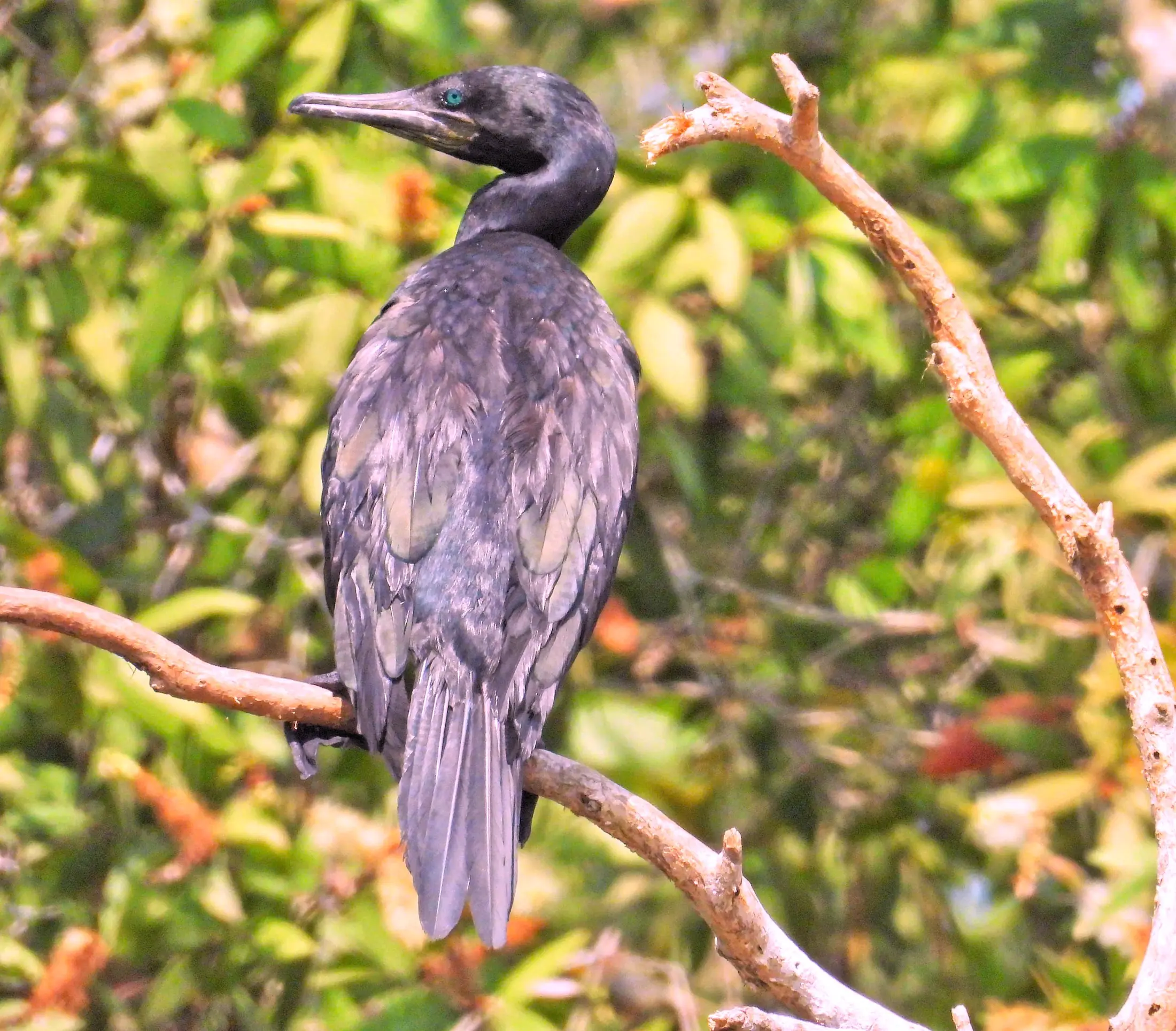
Since 2020, VMF has protected water surfaces, retained shallow wetland edges, encouraged lotus, wild rice and native vegetation, reduced chemical pressure inside the site and kept quieter areas for birds, fish and freshwater turtles. Habitat care is treated as daily operations, not as a decorative claim.
VMF’s working biodiversity inventory has recorded at least 200 plant species, 35 freshwater fish species and 20 bird species across the farm landscape. These are internal monitoring figures used to guide care; they are not presented as a substitute for a formal scientific census.
04 · Responsible-stay practices
VMF connects habitat care with everyday hospitality. The practical direction is to prevent avoidable waste, use water and electricity carefully, keep construction density low, reduce chemical pressure and protect quieter, darker edges for wildlife.
These are operating practices and guest commitments, not an audited net-zero claim. VMF does not yet publish independently verified totals for waste, water, energy or carbon; dated evidence and methods will be added as monitoring becomes strong enough.
Avoid unnecessary single-use items, prepare meals to confirmed guest numbers and separate reusable, recyclable and suitable organic materials in daily operations.
Use natural shade and ventilation where the room allows, switch off unused lights and cooling, limit avoidable water use, noise and night lighting.
Keep accommodation small-scale; connect meals with seasonal rice, vegetables, fruit and other ingredients from VMF or identified local growers whenever available.
The Dong Thap Muoi wetland biodiversity project at VMF received support through a conservation-grant programme managed by the People and Nature Reconciliation centre (PanNature).
View source ↗Evidence beyond our own words
Independent sources cannot prove every ecological outcome, but they can verify the farmstay’s location, public recognition, nature-first direction and development over time. VMF keeps these sources separate from its own working records.
The 2022 record confirms provincial recognition and the approximately 40,200 m² site.
View source ↗Enterprise profileA 2024 profile of the nature-first farmstay model, target guests and local products.
View source ↗Current reportingA 2026 account of VMF’s nature-led tourism direction.
View source ↗More coverageSee selected official, journalistic and independent travel coverage in one place.
Explore →FAQ
No. VMF is a tourism and farm enterprise that manages much of its land as habitat. Internal monitoring guides practical care; formal conservation claims require independent scientific methods and are not assumed here.
It explains the commercial choice behind a small, seasonal and longer-stay model. Guests can decide whether simple accommodation, nature sounds and flexible activities genuinely fit them before paying.
Your stay is part of the living system
At VMF, quiet protects habitat; seasonal food connects guests with land and local growers; careful use of water, energy and materials reduces pressure on the place you came to live within.
Your next step
Share your dates and interests. A host will explain which room, meals and seasonal experiences are genuinely available.
Zalo/WhatsApp: +84 913 158 512