NATURE · HISTORY · FARMERS · HERITAGE
The Plain of Reeds — land, people and living heritage
Before Việt Mekong Farmstay became a destination, this was a wetland world shaped by seasonal water, acidic soil, human resilience and shared knowledge. Understanding that story changes the way you travel through it.
01 · Nature and biodiversity
Water is not the background — it is the author
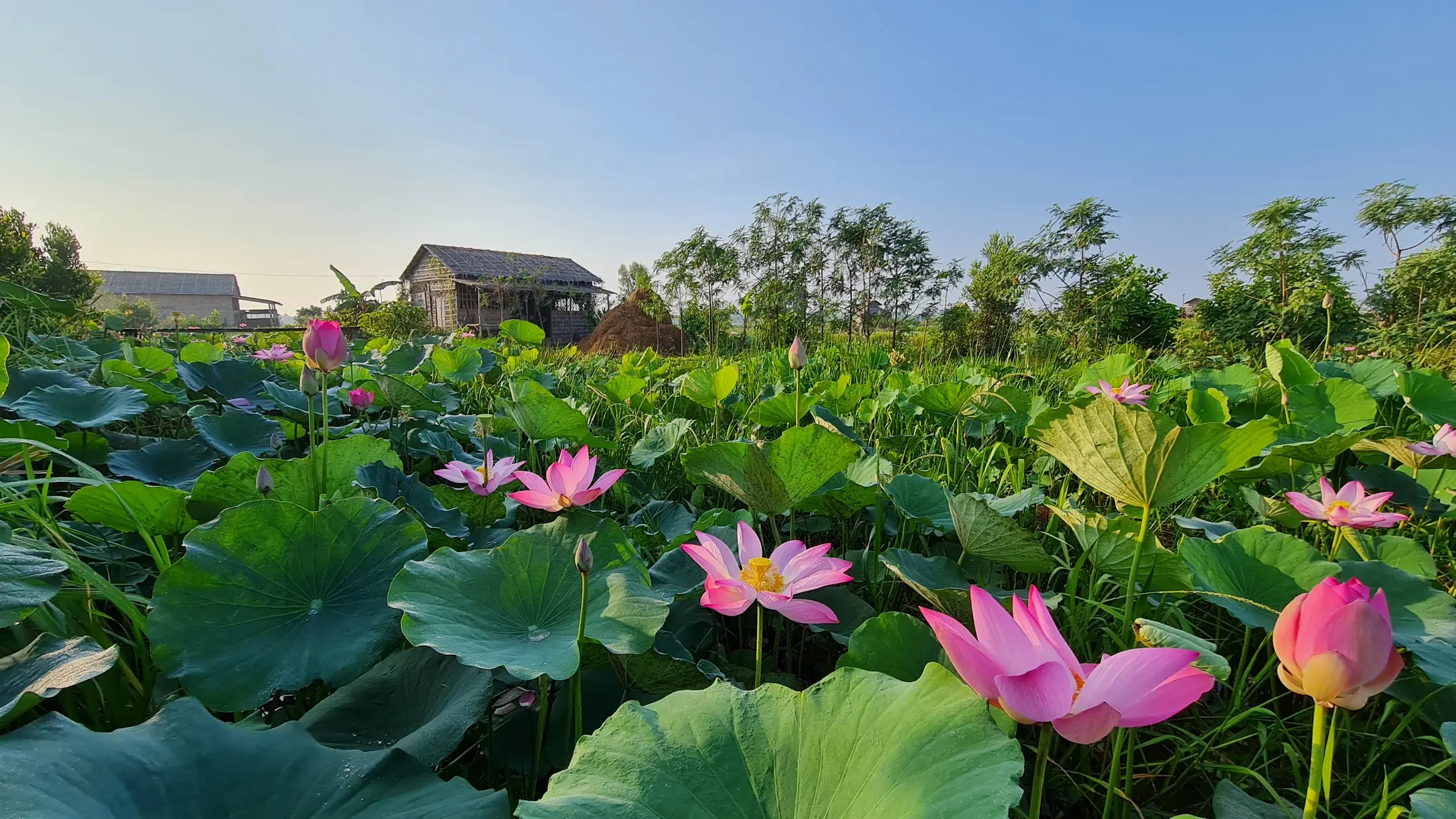
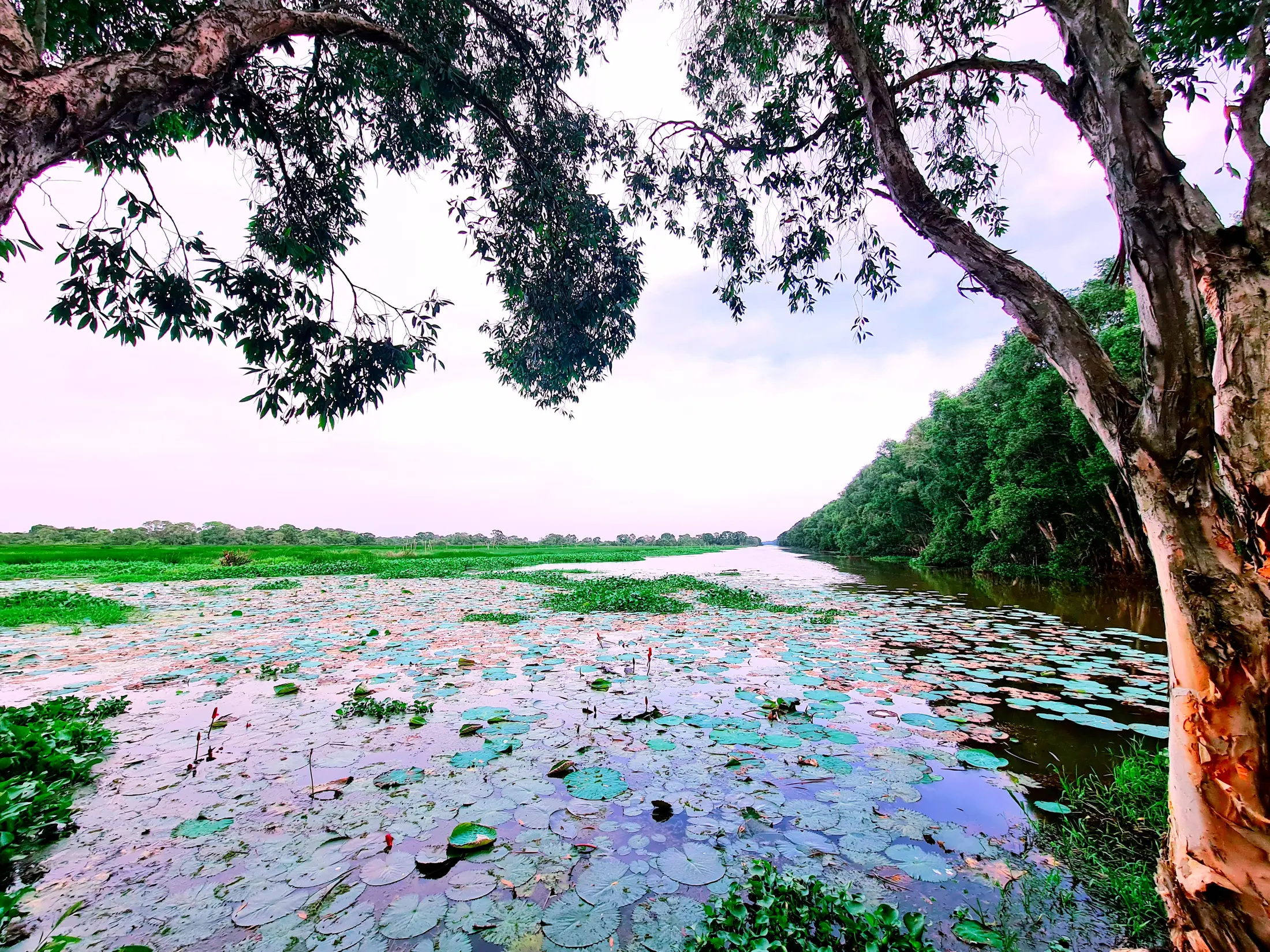
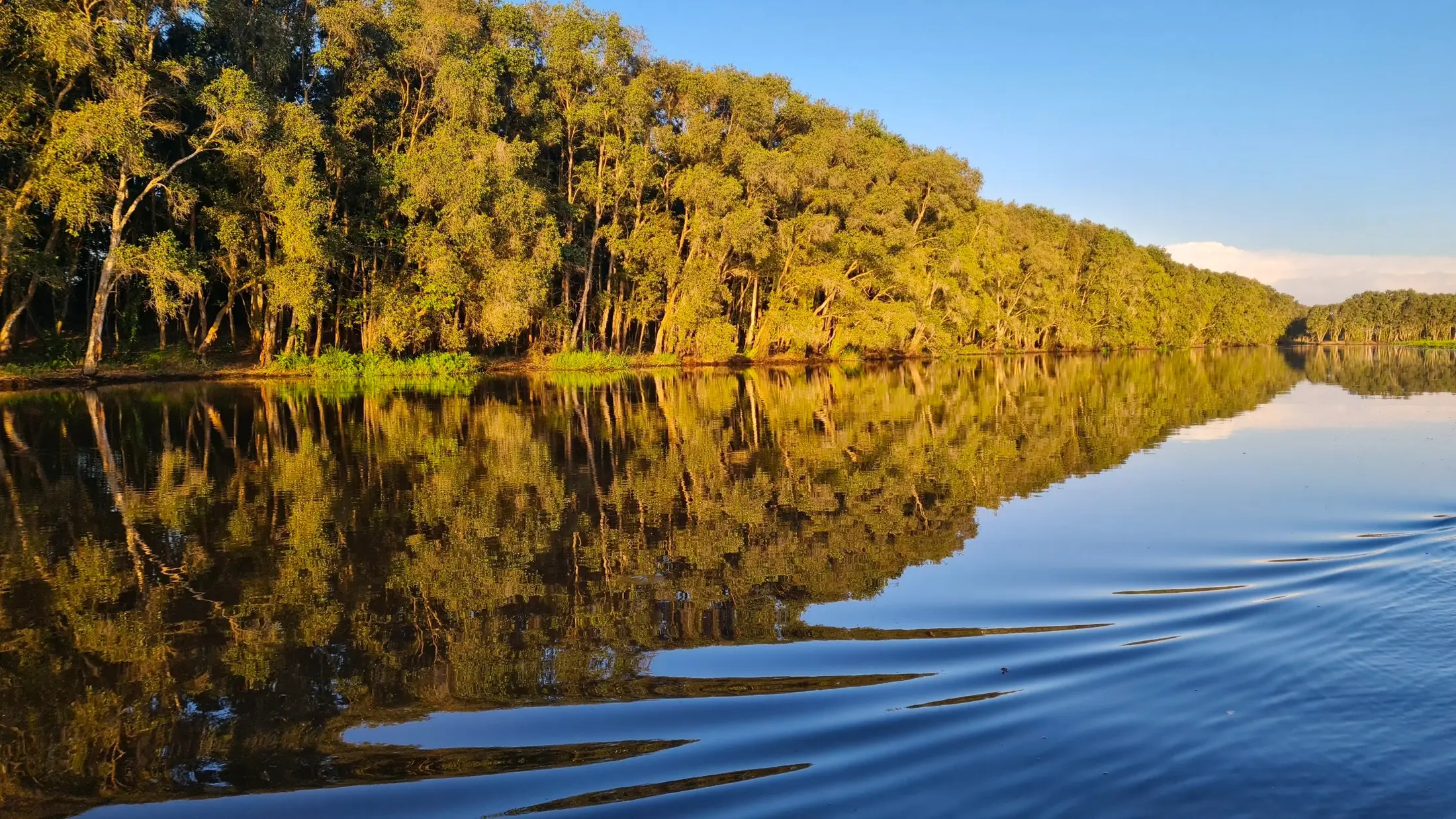
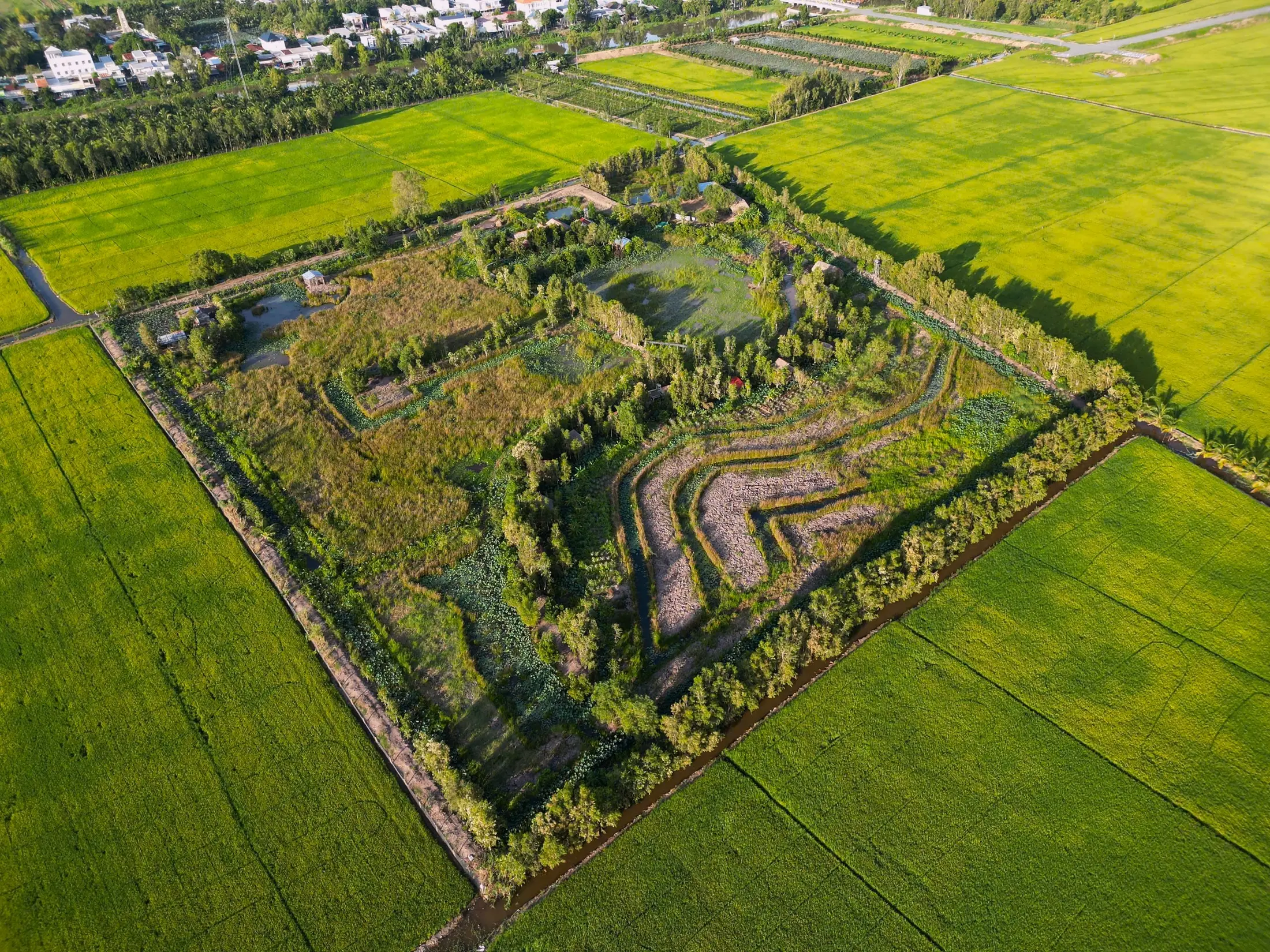
The Plain of Reeds is a low-lying wetland shared across today’s Dong Thap, Long An and Tien Giang. Flood and dry seasons, acidic soils and waterways have shaped its plants, wildlife, settlements and rhythms of work.
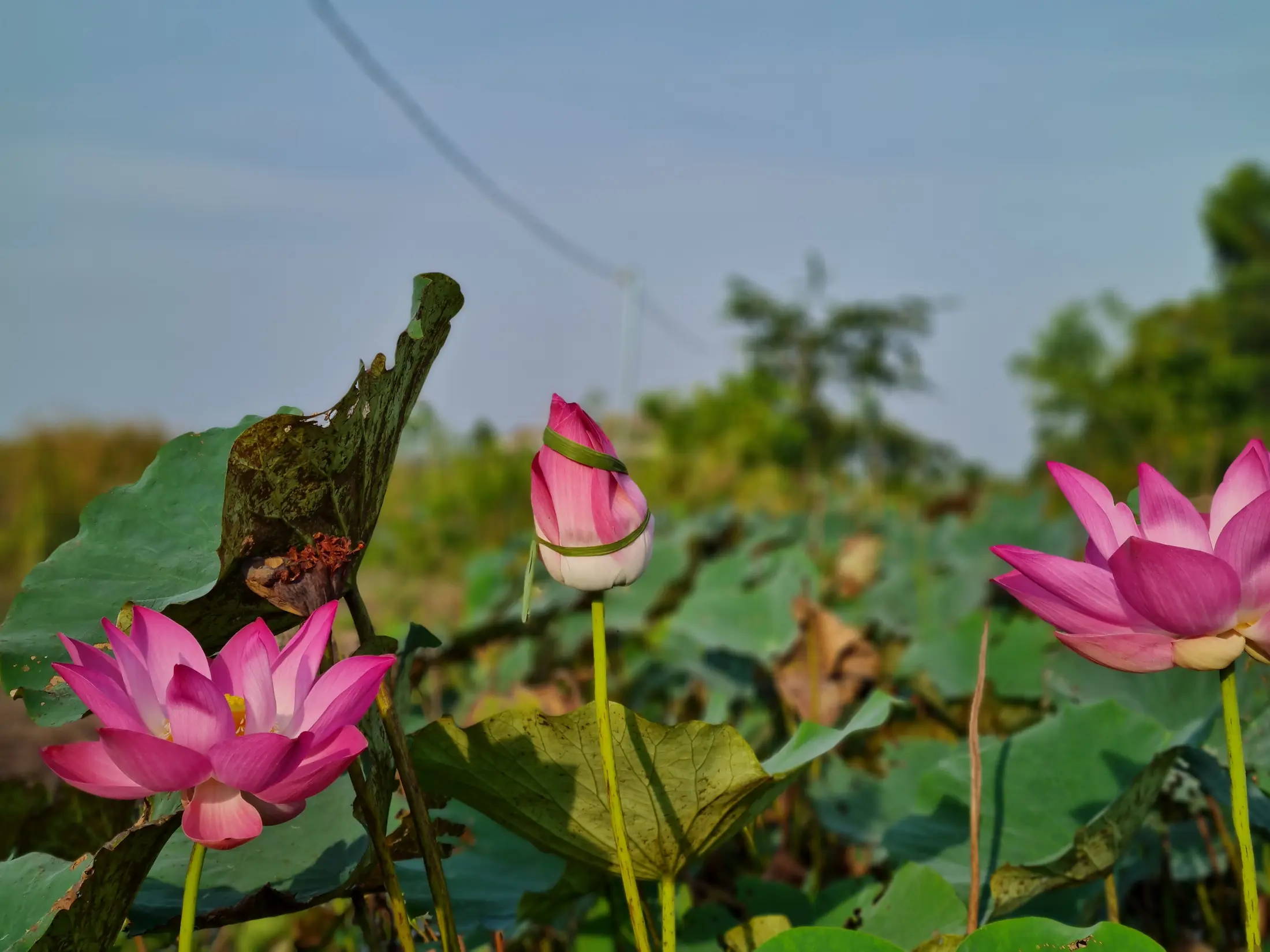
At Tram Chim, lotus, wild rice, cajeput, fish and waterbirds belong to one changing habitat. VMF presents this ecology as a living system rather than a scenic prop: seasons differ, wildlife remains wild, and quiet observation matters.
02 · Settlement and land reclamation
A history written along canals and high ground
Settlement happened over generations as people moved into the southern delta, formed villages and adapted homes, transport and food to water. The story is not a single heroic moment: it includes persistence, failed crops, cooperation and repeated learning from acidic soils.
A major modern phase followed reunification. Reporting and provincial records describe the 45-kilometre Hong Ngu–Vinh Hung Canal, begun by manual labour in 1977 and completed in 1984. Together with scientific investigation and other waterways, it brought fresh, sediment-rich water farther into the plain and encouraged new settlement along the banks.
Today, the lesson is more complex than ‘conquering nature’. Agricultural achievement must be read beside the need to retain flood storage, biodiversity and climate resilience.
03 · Farmers’ lives
Seasonal knowledge turns uncertainty into livelihood
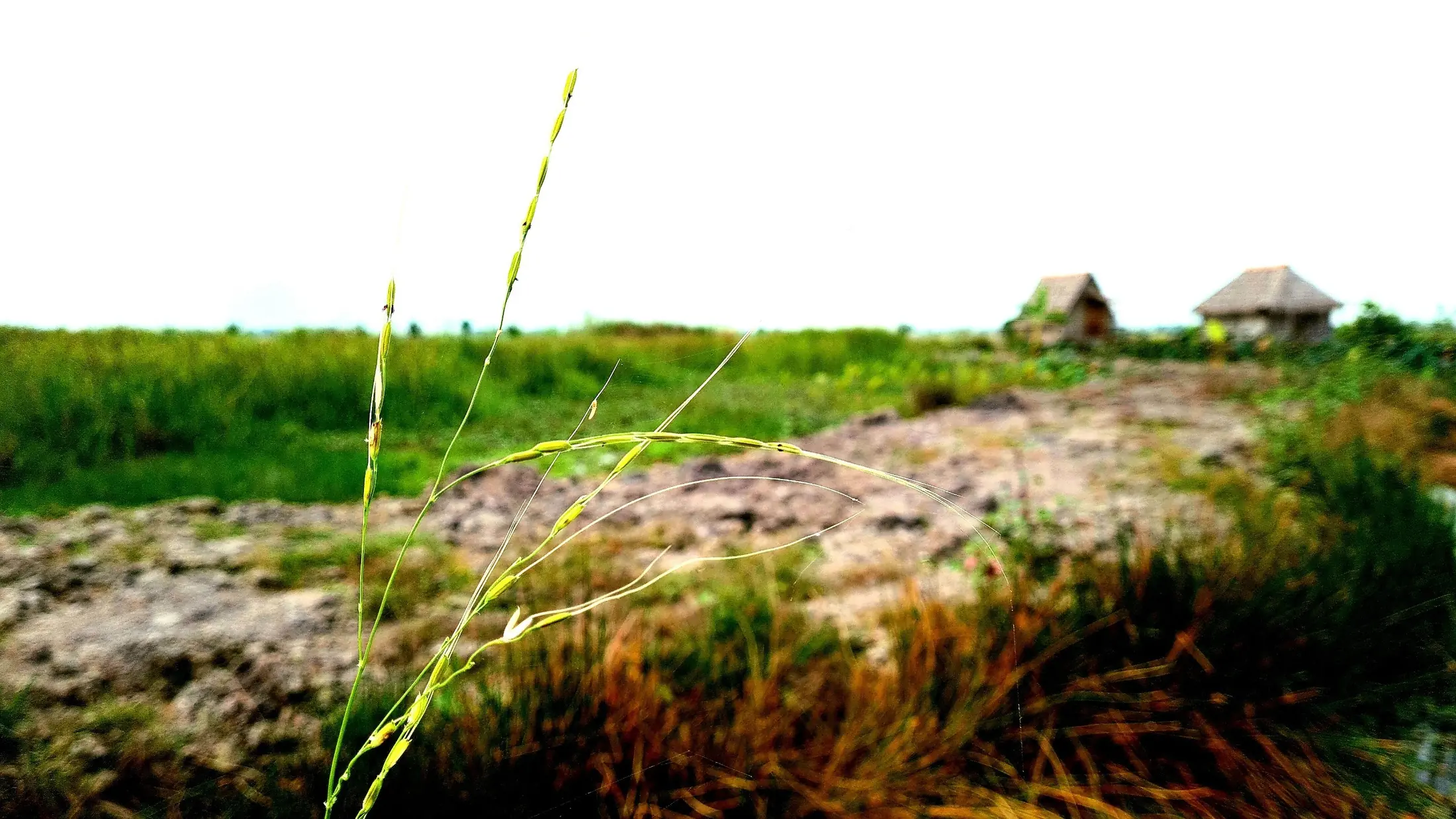
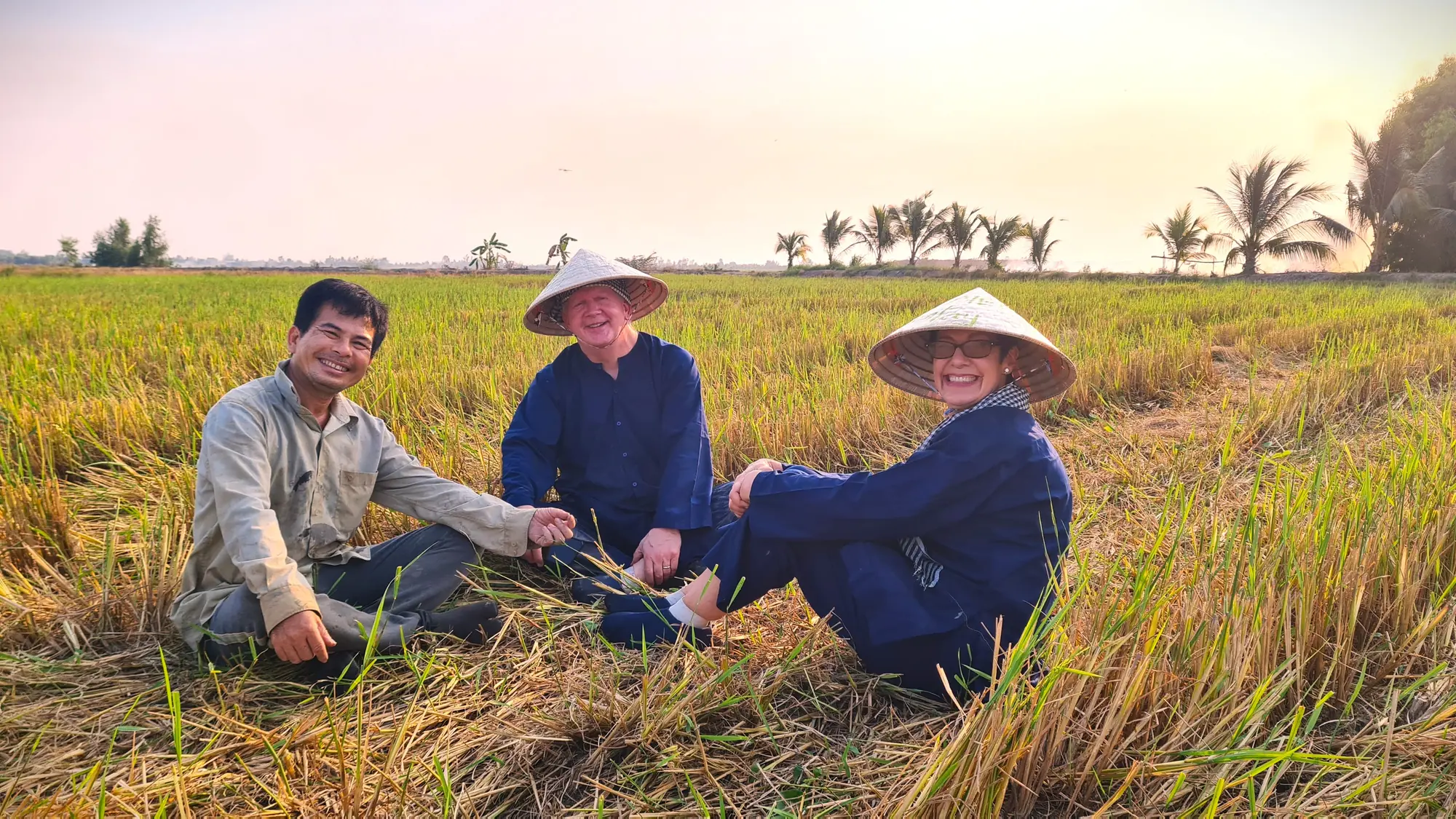
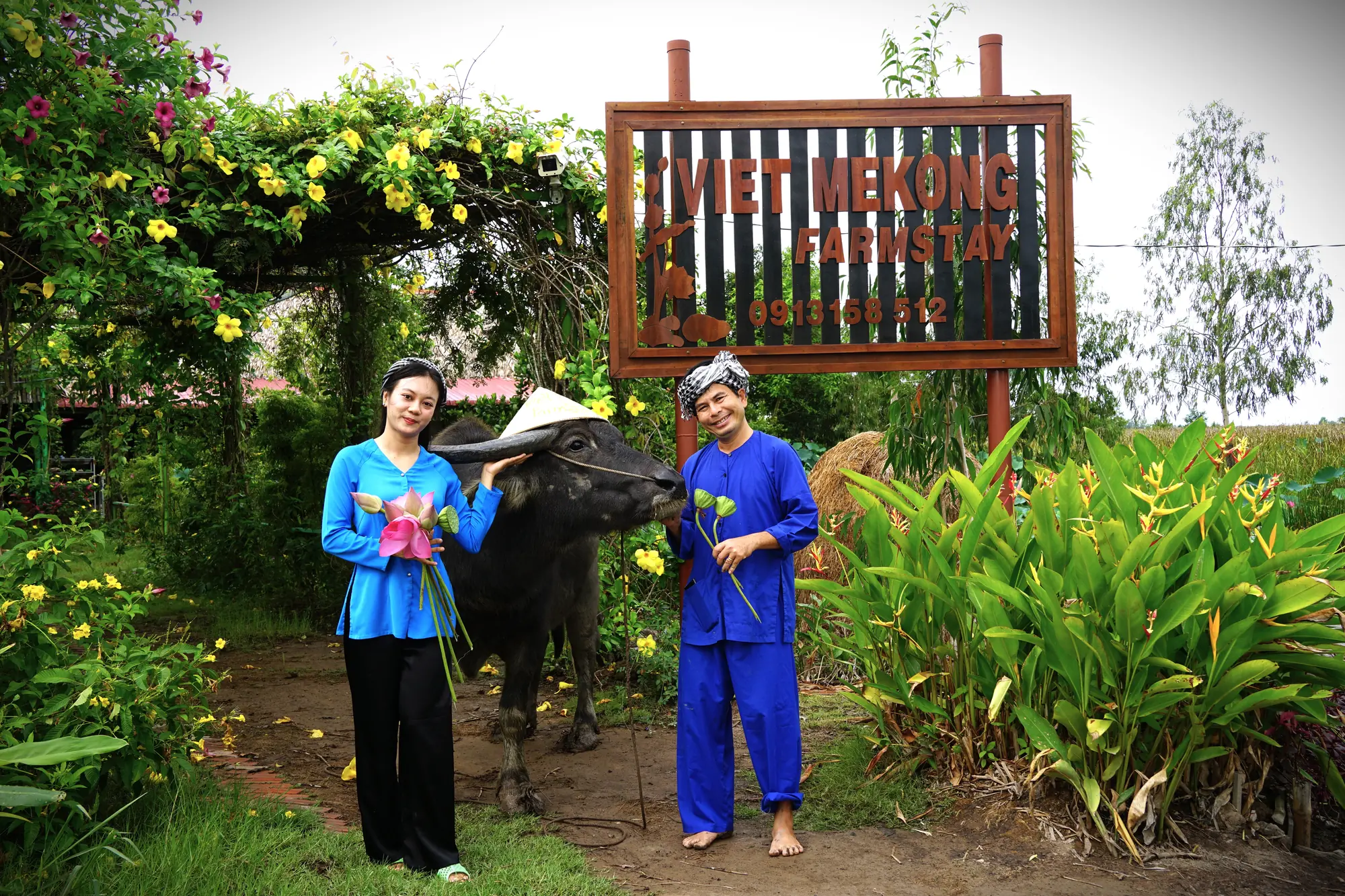
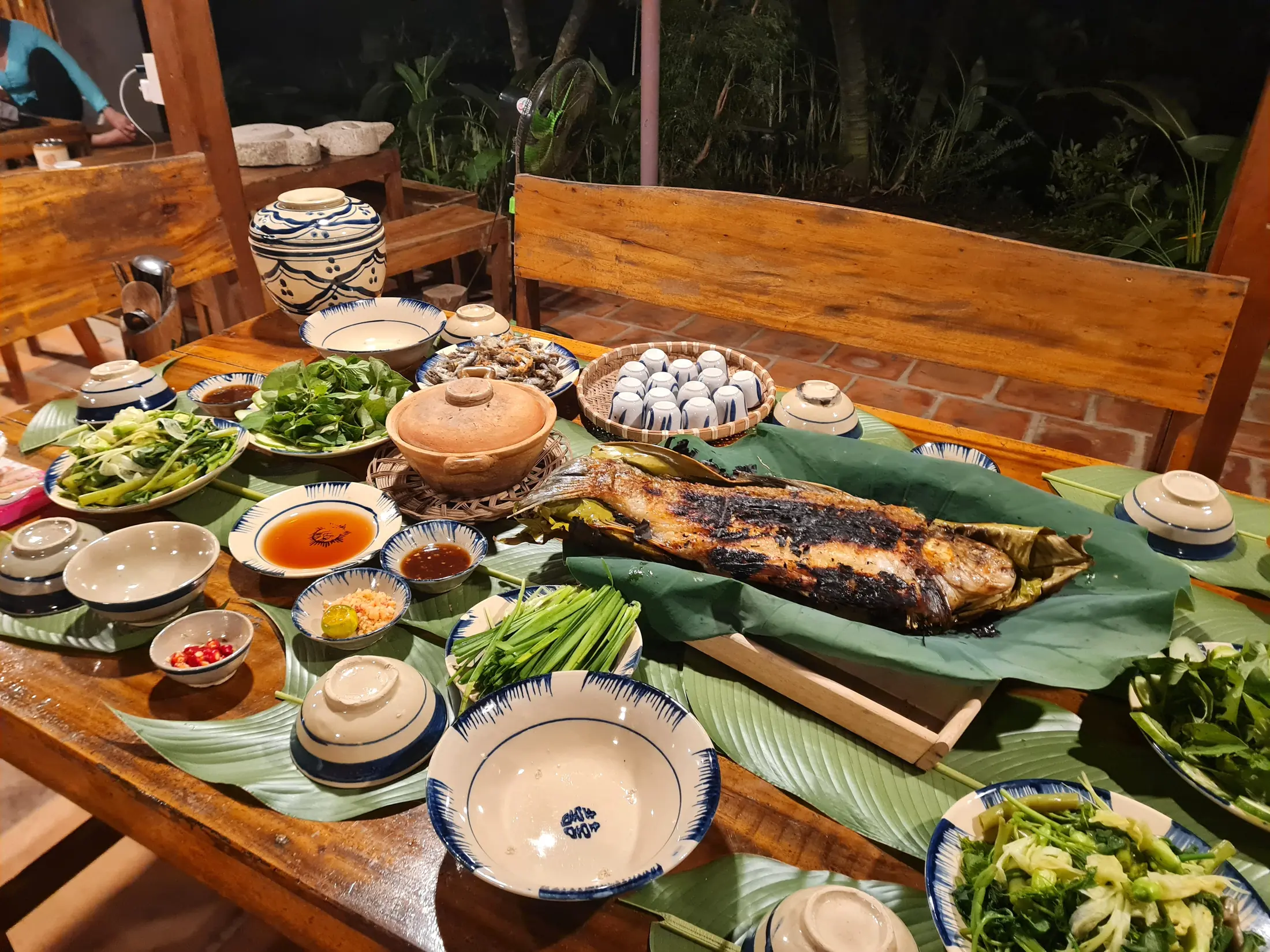
Farm life here was organised around what water and soil allowed: rice, lotus, fish, buffalo, aquatic vegetables and movement by canal. Meals, tools and household routines hold practical knowledge accumulated through daily work.
VMF turns that knowledge into respectful participation — observing lotus, learning about rice and wetland food, sharing a seasonal meal or moving slowly through the landscape. Activities are confirmed by season and local capacity, not staged as a fixed performance.
04 · The living heritage of Dong Thap
Heritage continues through places, crafts and everyday practice
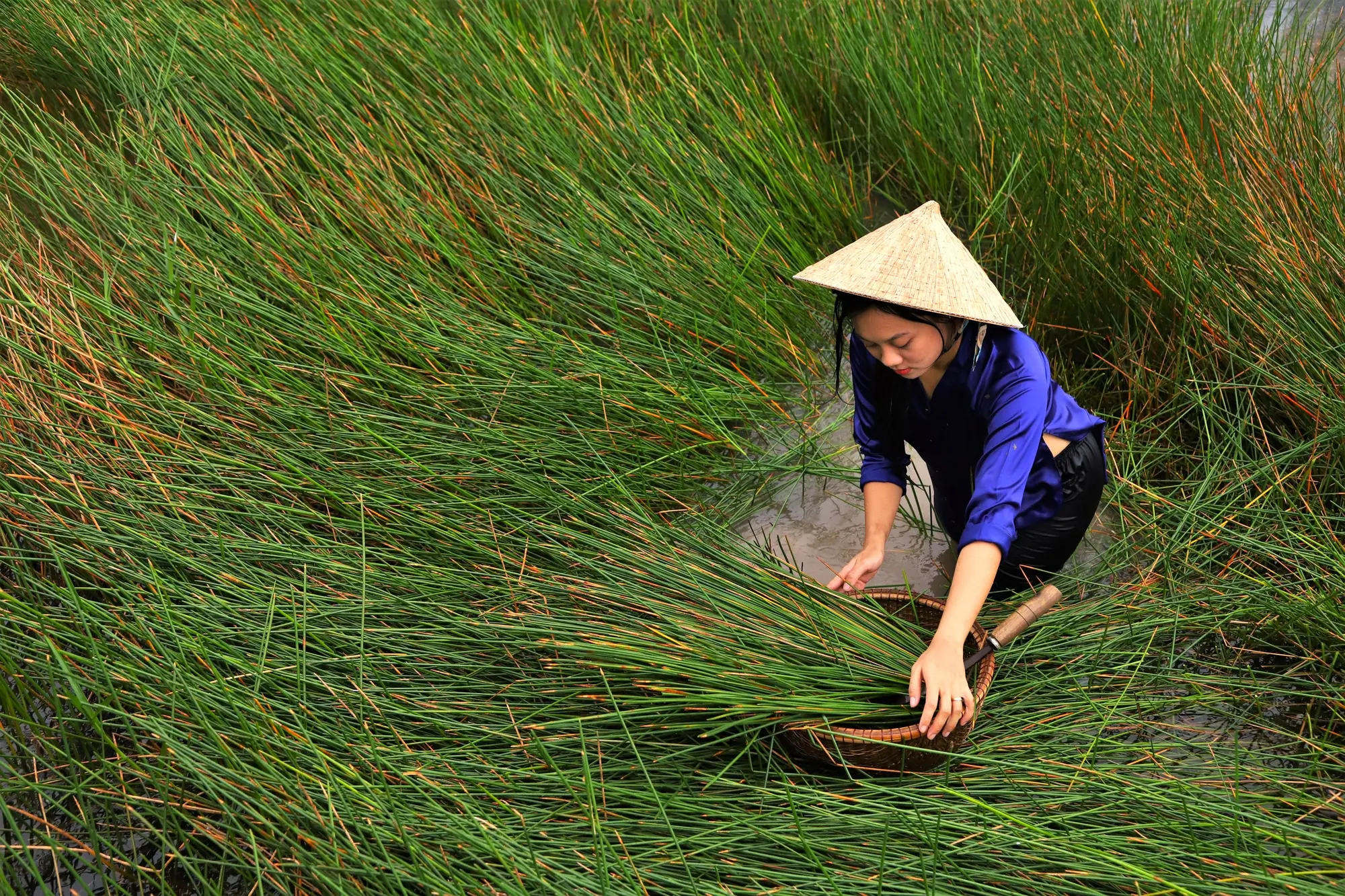
Go Thap carries archaeological, historical and spiritual layers; Sa Dec brings together river trade, old houses, flowers and diverse beliefs; craft villages keep weaving knowledge in mats and checkered scarves. Lotus culture, Southern music and the shared meal remain meaningful because people still practise them.
VMF connects these places through slow heritage journeys. The goal is not to collect attractions, but to understand relationships between wetland ecology, settlement, livelihoods and cultural memory.
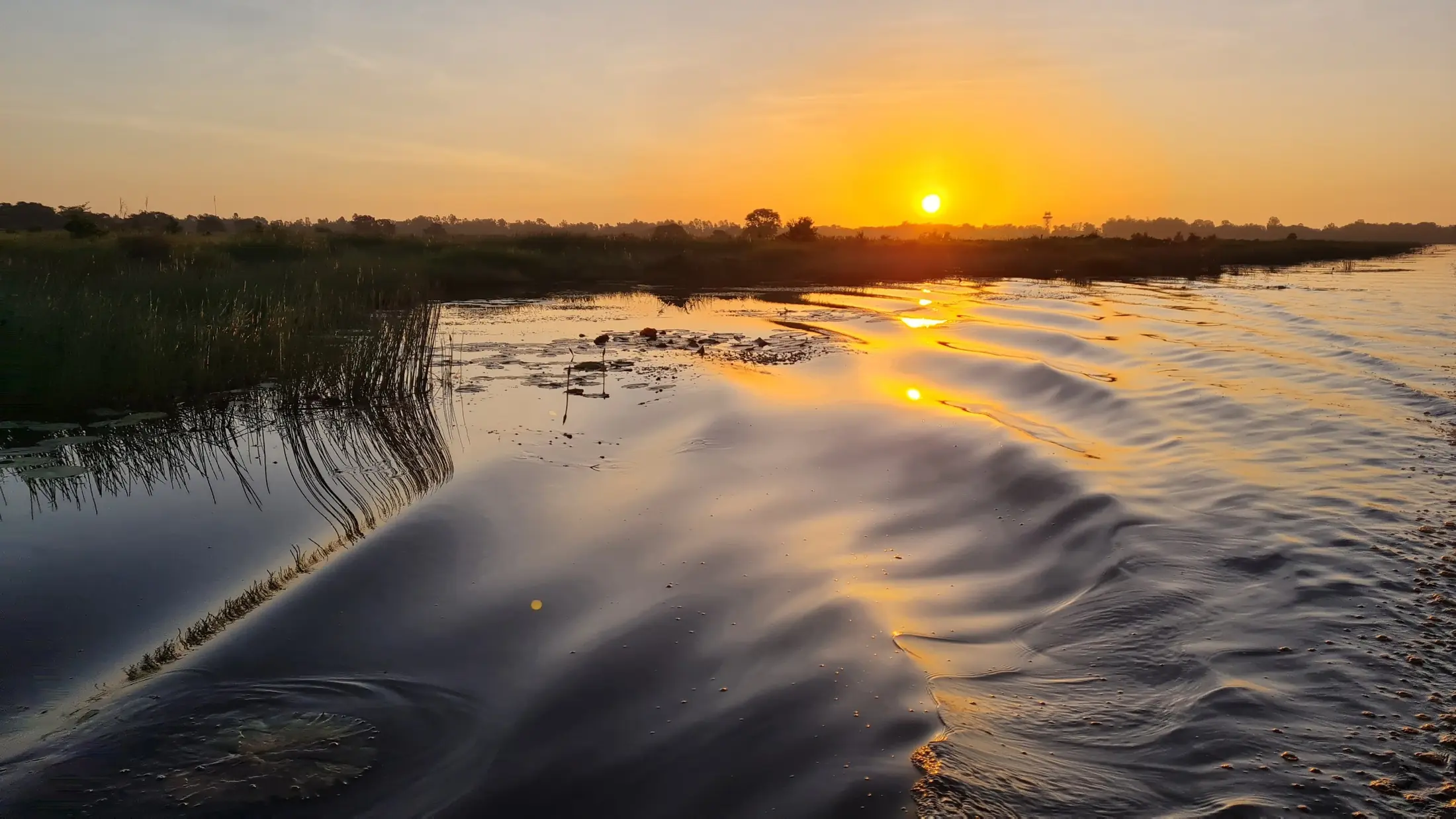
Tram Chim wetlands
Seasonal habitat, wild rice, cajeput waterways and responsible wildlife observation.
Explore →
Go Thap and the wider plain
Archaeology, belief, resistance history and the cultural memory of Dong Thap Muoi.
Explore →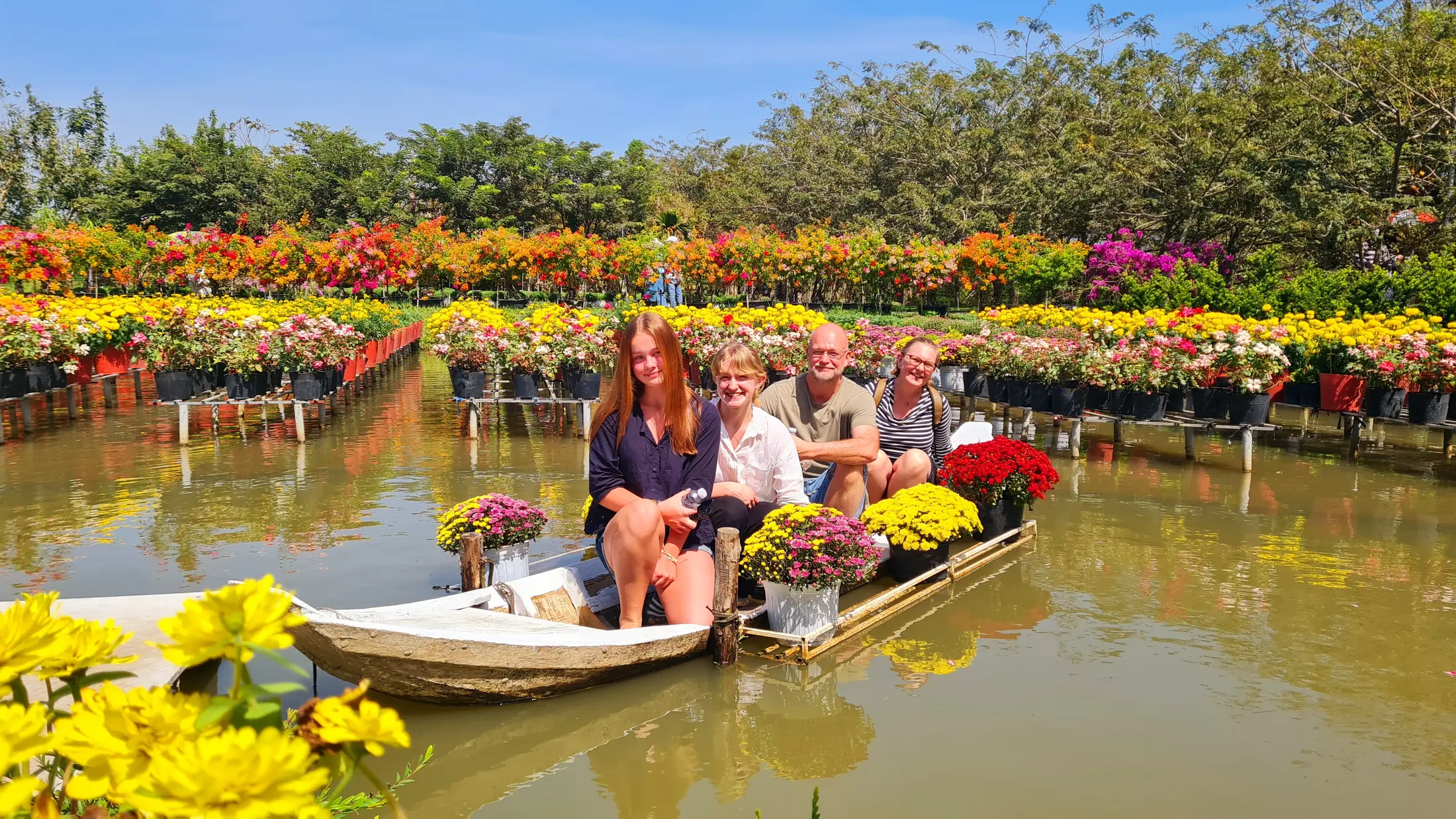
Sa Dec and craft villages
River town heritage, flowers, old houses, weaving and local food traditions.
Explore →05 · VMF within the landscape
Continue with the separate story of the farmstay
This page explains the wider Plain of Reeds, its communities and living heritage. VMF’s own formation, economic choices and six years of habitat care are documented separately so the regional history is not confused with the story of one business.
Sources and further reading
Read the evidence behind the story
The page separates the regional history of Dong Thap Muoi, the local story of Tram Chim–Tam Nong and VMF’s own formation. Official records anchor key facts; long-form reporting and cultural essays add memory and interpretation.
Ramsar Sites Information Service
International wetland context for Tram Chim National Park.
View source ↗Provincial historyHistory of Dong Thap
Official provincial overview of formation, settlement and administration.
View source ↗Official heritageGo Thap special national site
Archaeological, historical, spiritual and cultural significance.
View source ↗Oral history and reportingMemory of the wild fields
VOV’s account of land reclamation, canals and farmers’ memories.
View source ↗Historical reportingThirty years transforming the Plain of Reeds
Tuoi Tre’s two-part account of acidic soil, canals and settlement.
View source ↗Local archival reportingThe Plain of Reeds as a historical frontier
Bao Dong Thap’s account of ecology, wartime history and post-1975 reclamation.
View source ↗FAQ
Practical questions
Is this the history of VMF or of the whole Plain of Reeds?
Both are presented, but kept separate. The regional story explains the wetland and its communities; Tram Chim–Tam Nong provides the local setting; VMF’s own story begins much later as a contemporary tourism project.
Why does this history matter to a guest?
It explains why lotus, rice, fish, buffalo, canals, food and seasonal activities belong together. With context, an activity becomes part of a living landscape rather than a staged photo opportunity.
Are all stories treated as verified historical fact?
No. Official records and research support key facts. Oral memories, journalism and cultural essays are identified as interpretation or lived testimony, not used alone for disputed claims.
Your stay is part of the living system
Where you sleep, what you eat and what the habitat can carry are connected
At VMF, quiet protects habitat; seasonal food connects guests with land and local growers; careful use of water, energy and materials reduces pressure on the place you came to live within.
Your next step
Come to understand the land, not only photograph it
Stay for three to seven nights and connect nature, farmers’ lives and living heritage at a humane pace.
Zalo/WhatsApp: +84 913 158 512